How to Replace Semi Trailer Brakes Safely in 2026?
Replacing trailer brakes isn't just a simple guess-and-check task; it's a critical maintenance job that affects safety, so you really gotta be careful. It requires proper training, the right tools, and a thorough check to make sure everything's done right. In this guide, I'll walk you through how to replace semi-trailer brakes in 2026, making sure you're following the manufacturer’s instructions and sticking to good safety practices. Keep in mind, procedures can vary quite a bit depending on whether you’re dealing with drum brakes, disc brakes, air chambers, slack adjusters, or electronic systems.
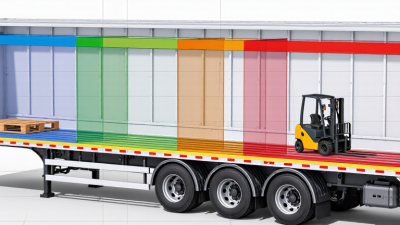
Before you start, find a spot on flat, solid ground and make sure the trailer can’t move around. Let the air pressure out only if the manual says it’s okay. Gear up with eye protection, gloves, and sturdy footwear—don’t skip any safety steps. Never just rely on a jack alone; always use rated stands for security. Take a close look at the wheel area—check for any signs of heat damage, cracked parts, uneven brake lining wear, air leaks, or dirt on the friction surfaces. If you’re working with a Curtain Side Semi Trailer, watch out because it gets plenty of wear from loading and unloading, which can kick up dust, moisture, or cause impact damage.
Don’t overlook the small stuff. Double-check that all the replacement parts fit your specific axle and brake specs. Instead of just eyeballing things, measure critical components. Use a calibrated torque wrench, and follow the proper tightening sequence from the manual. Once everything's installed, make sure to test the pushrod travel, brake adjustment, air pressure, wheel rotation, and clearance. Always do a careful brake test in a safe, controlled spot before putting the trailer back into service. It’s also a smart idea to do a second inspection—sometimes even seasoned pros miss loose fittings or improperly seated springs. And if you notice anything odd with the brake chamber, hub, or axle, don’t hesitate to stop and call in a professional heavy-duty technician. Remember, this article’s meant to help you get informed, but it’s no substitute for hands-on training, good judgment, or following the official service manual. Safety first, always!
Read more »